My Work
My work sits at the uncomfortable but fascinating edge where energy storage stops behaving politely. I am a PhD student in Physics working on thermal runaway in lithium-ion batteries, a failure process in which a battery transitions from a controlled electrochemical device into a rapidly evolving chemical reactor.
Once initiated, thermal runaway is fast, violent, and unforgiving. Temperature rises within seconds, gases are released, materials decompose, and the system quickly outruns any simple safety mechanism. Understanding this process in detail is no longer optional. It is a prerequisite for safe electrification.
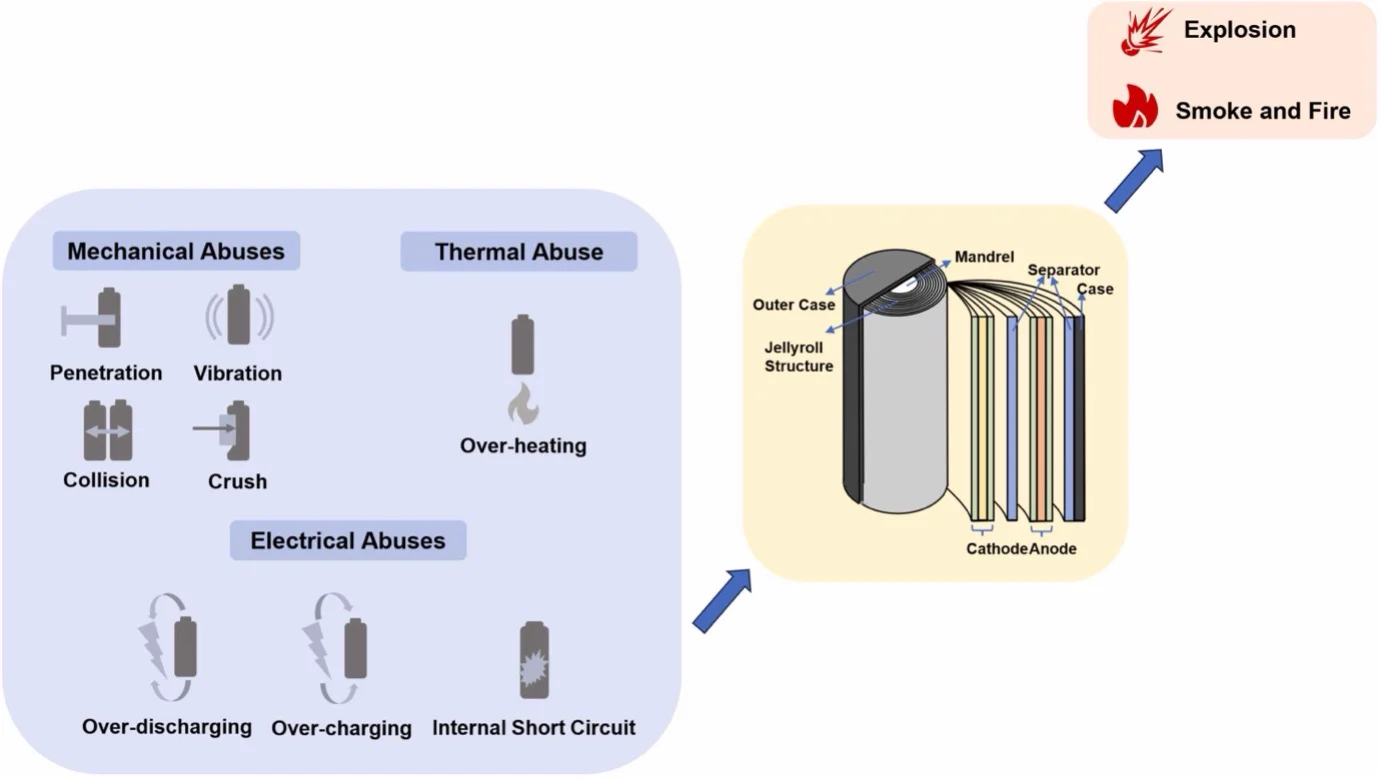
At a high level, thermal runaway begins when heat generation inside a cell exceeds its ability to dissipate that heat. The trigger can be mechanical abuse, electrical abuse, or external heating. Internally, it unfolds as a cascade.
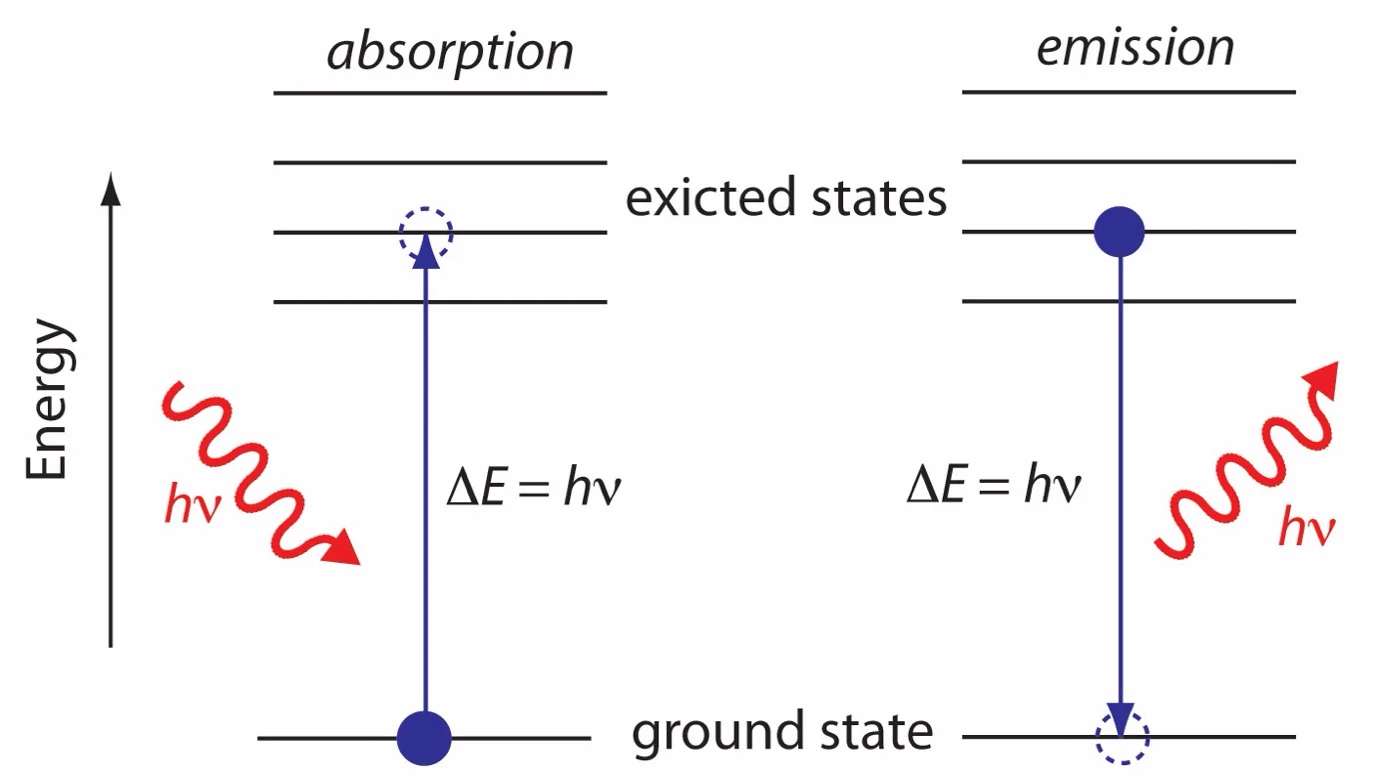
I use laser-based diagnostics to observe thermal runaway as it unfolds, in real time, without physical contact. Lasers allow remote, selective, and extremely fast interrogation of matter. At the core of this approach is spectroscopy. Performed fast enough, this yields time-resolved chemistry, not merely an outcome.
In short, I am trying to turn a catastrophic event into a measurable, understandable, and ultimately manageable phenomenon.